All sports

Fix your stroke.
See what it's doing.

Turn your phone into an AI biomechanics lab.

Film one length from the side. Llyr follows your body through the stroke and tells you what to change, in words you can take back into the water. Where the water hides a joint, it leaves that line blank instead of making it up.

One phone, propped at the side Nothing to strap on Reads you as you move Analysis runs on the phone
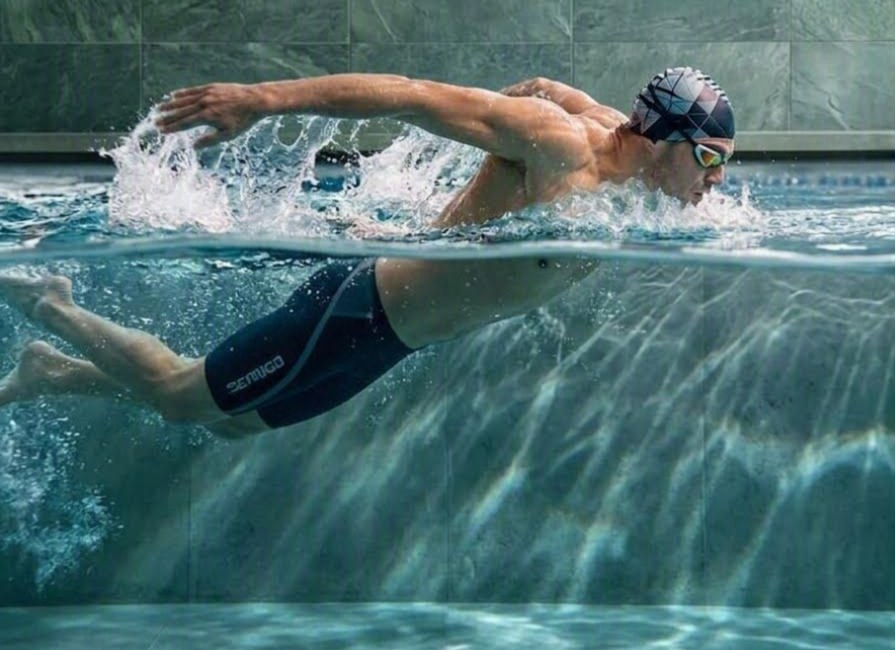
A swimmer filmed side-on through the waterline. Llyr has drawn his joints and the bones between them across the half of his body above the water. Below the surface the frame is hatched and empty, because the tracker could not see his submerged arm and legs. A swimmer filmed from the side, split by the waterline. Llyr's skeleton is drawn on the half above the water; below it, where the tracker could not see, the frame is hatched and nothing is drawn. 169°
Solid is what Llyr could see above the water. 169° is his lead arm, worked out from those points. Hatched is under the water. Llyr couldn't see it, so it drew nothing.

What one camera can see.

Can see

All four strokes Freestyle, backstroke, breaststroke and butterfly. Each one has its own rules and its own cycle.

Can see

Your body line through the whole cycle Joint angles in every frame, not one screenshot of the moment something felt off.

Can see

Faults that keep coming back Llyr has to see a fault more than once before it says anything, so one bad length never becomes a verdict.

Can't see

Whatever the water hides The tracker was built for bodies above water. When the water takes a joint, Llyr drops it instead of guessing.

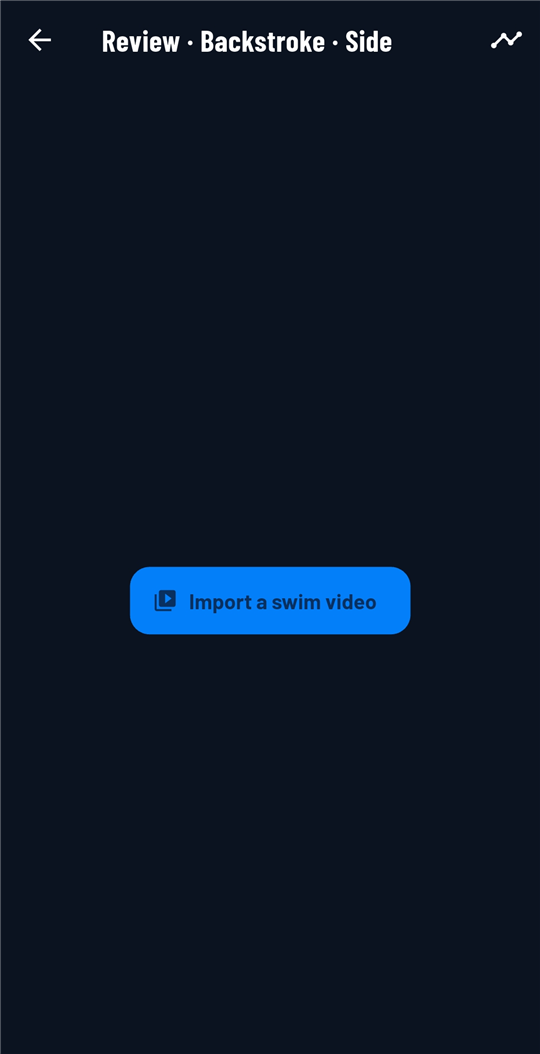
You don't have to film live. Import a clip you already have and step through it a frame at a time — that works for every sport, not just this one.

An earlier build of Llyr's swim home screen: the sport row across the top, Free, Back, Breast, Fly and Dive underneath, an underwater-session switch, and Live analysis, Import video and Progress below.
Mid-2026 All four strokes plus dives, picked before you film. Run and Golf still read “soon” here — both have shipped since.

Four moves, one length.

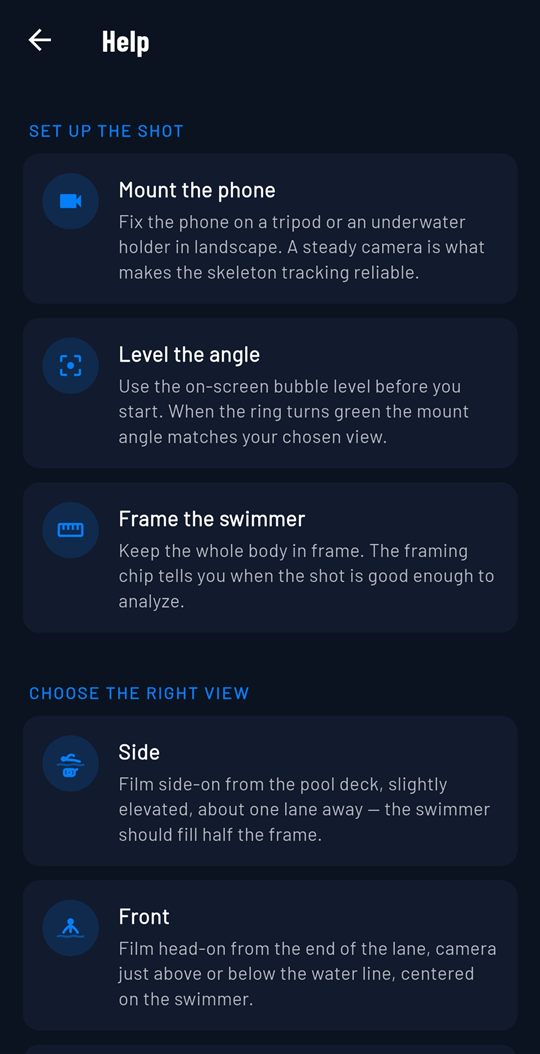
1 Llyr's in-app help screen, headed Set up the shot: mount the phone, level the angle, frame the swimmer.

Set up

The app talks you through it: phone on a bag or a rail, square to the lane, whole body in frame.

2 Llyr's live swim screen with a swimmer framed side-on through the surface and an on-screen hint reading point the camera at the swimmer.

Record

Hit record and swim. If the framing is off, it tells you before you waste a length.

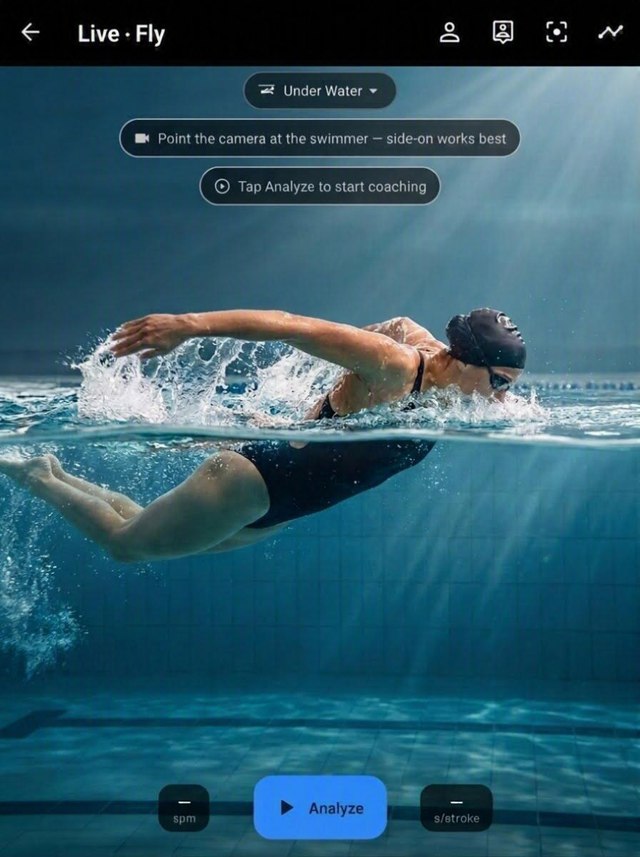
3 Llyr's live swim viewfinder with a swimmer head-on under the surface and a large Analyze button along the bottom.

Analyze

One tap. Llyr follows your joints through the whole stroke and works out where in the stroke you are, frame by frame.

4 Llyr's live swim screen showing a swimmer split above and below the waterline, where the corrections appear as you swim.

Correct

The fix lands on the screen you're already watching, and Llyr keeps a still of each one so you can check it later.

Llyr's live swim screen showing a swimmer at the surface, the body split above and below the waterline, with a hint reading “point the camera at the swimmer, side-on works best”. Llyr's review screen for an imported clip, headed Review, Backstroke, Side, with a single Import a swim video button.

The waterline is the point.

  • Joints, followed frame by frame

    Angles are read right through the stroke, so a fault has somewhere to turn up.

  • Above and below

    There's an underwater mode for a phone in a housing. Either way, Llyr works out the camera angle for you.

  • A target shape to work against

    A dashed outline of the shape you're aiming for, drawn next to your own. You can see the change instead of imagining it.

  • Nothing leaves the phone

    Analysis runs on the device. Your footage stays yours.

What we can promise today.

In early access

Nobody has used Llyr long enough to quote, so there are no reviews on this page. When early-access swimmers have something real to say, it will appear with their name on it.

If it can't see it, it says so

When a joint isn't clearly visible, the read stays empty instead of filling in. The same rule governs this page: no invented praise and no invented figures.

Measured, not assumed

Corrections come from angles the camera actually got. If a claim would need a second camera or a sensor, Llyr doesn't make it.

Judge it yourself

Join the list, film one session, and hold what Llyr draws against what you already know about your own swimming.

Know what your stroke is doing.

Join the early-access list. Sign up here and swimming is what you'll hear about.

100Seats in the first group

That is the whole of it. We would rather have a hundred people actually filming and telling us what broke than a list of ten thousand who never open it.

No spam. Just an email when there's something to try.

100 seatsIn the first group Get Early Access